


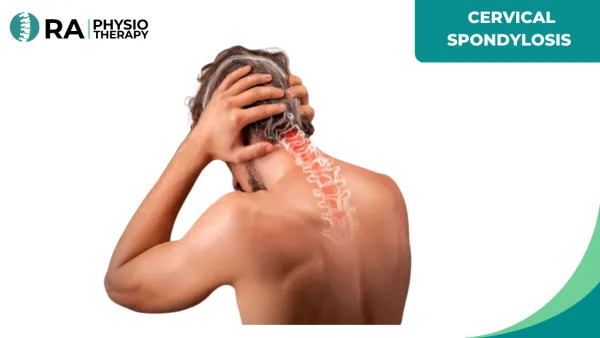
Cervical Spondylosis
Cervical Spondylosis Treatment & Physiotherapy for Neck PainCervical spondylosis is a common age-related condition involving degeneration of the cervical spine, including the discs, joints, and bones of the neck. It may lead to neck pain, stiffness, muscle tightness, headaches, and nerve compression symptoms. The condition commonly develops due to aging, poor posture, prolonged desk work, repetitive neck strain, or degenerative spinal changes. Physiotherapy helps reduce pain, improve neck mobility, strengthen supporting muscles, and improve posture and spinal function.
Cervical spondylosis is a common age-related condition involving degeneration of the cervical spine, including the discs, joints, and bones of the neck. It may lead to neck pain, stiffness, muscle tightness, headaches, and nerve compression symptoms. The condition commonly develops due to aging, poor posture, prolonged desk work, repetitive neck strain, or degenerative spinal changes. Physiotherapy helps reduce pain, improve neck mobility, strengthen supporting muscles, and improve posture and spinal function.
Common symptoms include:
- Neck pain and stiffness
- Reduced neck mobility
- Muscle tightness in the neck and shoulders
- Headaches originating from the neck
- Pain radiating to the shoulders or arms
- Numbness or tingling in the arms or hands
- Muscle weakness
- Dizziness in some cases
- Pain during prolonged sitting or computer work
Cervical spondylosis may occur due to:
- Age-related spinal degeneration
- Poor posture
- Prolonged desk or computer work
- Repetitive neck strain
- Cervical disc degeneration
- Previous neck injuries
- Weak neck and upper back muscles
- Sedentary lifestyle
Diagnosis includes physical examination and imaging tests to evaluate spinal degeneration and nerve involvement. Tests may include:
- Cervical spine examination
- Postural assessment
- Range of motion testing
- Neurological examination
- X-rays
- MRI scan
- CT scan
Physiotherapy helps improve neck mobility, reduce pain, strengthen muscles, and improve posture and spinal stability.
- Heat therapy for muscle relaxation
- TENS therapy for pain management
- Ultrasound therapy
- Interferential therapy
- Soft tissue release techniques
Manual therapy techniques help improve cervical spine mobility, reduce stiffness, and relieve muscle tension.
Customized rehabilitation exercises help improve flexibility, posture, and neck stability.
- Deep neck flexor strengthening exercises
- Postural strengthening exercises
- Shoulder stabilization exercises
- Upper back strengthening exercises
- Neck stretching exercises
- Upper trapezius stretches
- Shoulder mobility exercises
- Cervical range of motion exercises
- Chest stretches
Patients are guided on proper sitting posture, workstation ergonomics, and safe neck positioning during daily activities and work. Balance & Functional Training Balance and coordination exercises may help improve movement control and reduce dizziness associated with cervical spine dysfunction.
- Experienced spine physiotherapists
- Personalized rehabilitation programs
- One-on-one physiotherapy sessions
- Advanced manual therapy and pain management techniques
- Focus on long-term posture correction and spinal health
- Evidence-based physiotherapy care
- Guidance for home exercises and prevention
If you are experiencing neck pain, stiffness, headaches, or nerve-related symptoms due to cervical spondylosis, our physiotherapy team can help you recover safely and improve your neck function. Book your physiotherapy consultation today for expert cervical spondylosis treatment and personalized physiotherapy care.
 Emergency No. : +91 93104 16308