
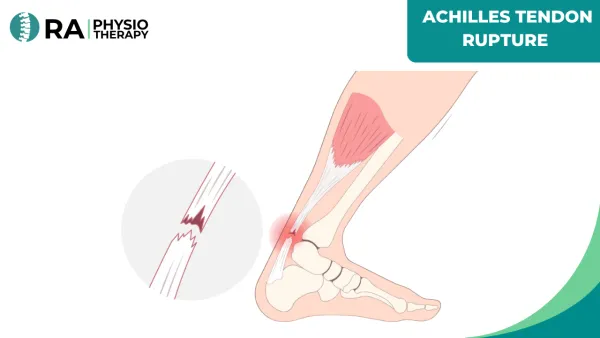
An Achilles tendon rupture is a partial or complete tear of the Achilles tendon, the strong tendon that connects the calf muscles to the heel bone. This injury commonly occurs during sudden jumping, sprinting, running, or rapid direction changes. An Achilles tendon rupture can cause severe pain, swelling, weakness, and difficulty walking or pushing off the foot. Physiotherapy rehabilitation after conservative or surgical treatment helps restore strength, flexibility, balance, and normal walking ability.
Read More
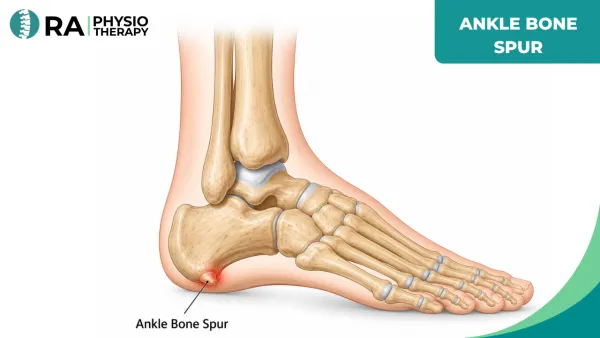
An ankle bone spur, also called an osteophyte, is an extra bony growth that develops around the ankle joint due to long-term stress, pressure, or wear and tear. Bone spurs usually form when the body tries to repair damaged joints or tissues by creating extra bone. Ankle bone spurs can cause pain, stiffness, swelling, and difficulty walking if they irritate nearby muscles, tendons, or nerves.
Read More
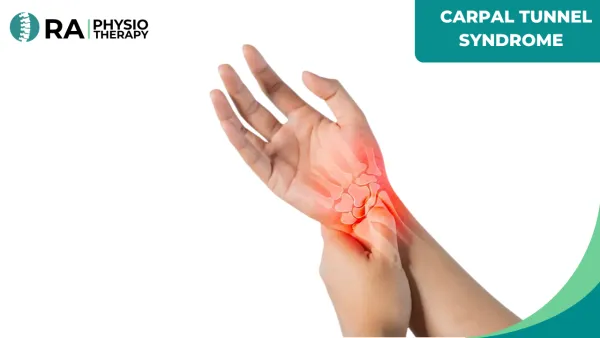
Carpal Tunnel Syndrome (CTS) is a condition caused by compression of the median nerve as it passes through the carpal tunnel in the wrist. This nerve compression can lead to pain, numbness, tingling, and weakness in the hand and fingers. CTS commonly develops due to repetitive hand movements, prolonged computer use, wrist strain, diabetes, pregnancy, or inflammatory conditions. The condition may affect grip strength and make daily activities such as typing, writing, or holding objects difficult. Physiotherapy helps reduce nerve irritation, relieve pain, improve wrist mobility, and restore hand function.
Read More
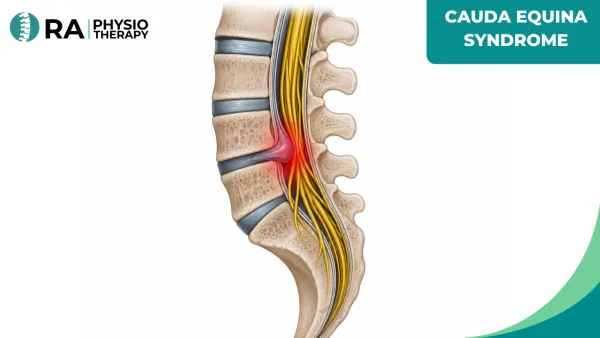
Cauda Equina Syndrome is a serious neurological condition caused by compression of the bundle of nerves located at the lower end of the spinal cord, known as the cauda equina. These nerves control sensation and movement in the legs, bladder, bowel, and pelvic region. Cauda Equina Syndrome is considered a medical emergency and often requires immediate medical treatment or surgery. After medical management, physiotherapy rehabilitation plays an important role in improving mobility, strength, balance, and functional independence.
Read More
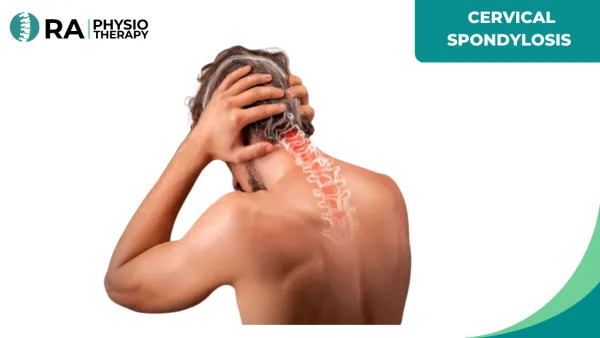
Cervical spondylosis is a common age-related condition involving degeneration of the cervical spine, including the discs, joints, and bones of the neck. It may lead to neck pain, stiffness, muscle tightness, headaches, and nerve compression symptoms. The condition commonly develops due to aging, poor posture, prolonged desk work, repetitive neck strain, or degenerative spinal changes. Physiotherapy helps reduce pain, improve neck mobility, strengthen supporting muscles, and improve posture and spinal function.
Read More
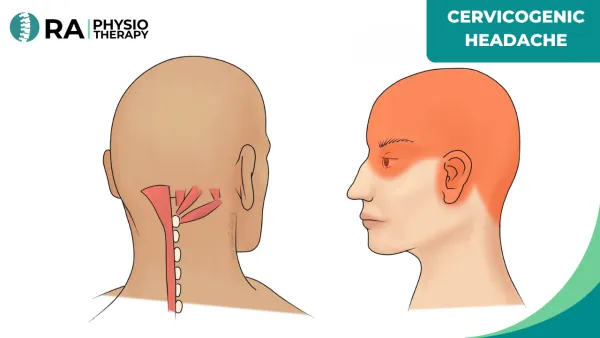
A cervicogenic headache is a type of headache that originates from problems in the neck, including the cervical spine, joints, muscles, or nerves. The pain usually starts in the neck and radiates to the head, forehead, temples, or behind the eyes. Cervicogenic headaches are commonly associated with poor posture, neck stiffness, muscle tension, cervical spine dysfunction, or previous neck injuries. Physiotherapy helps reduce pain, improve neck mobility, correct posture, and relieve muscle tension.
Read More
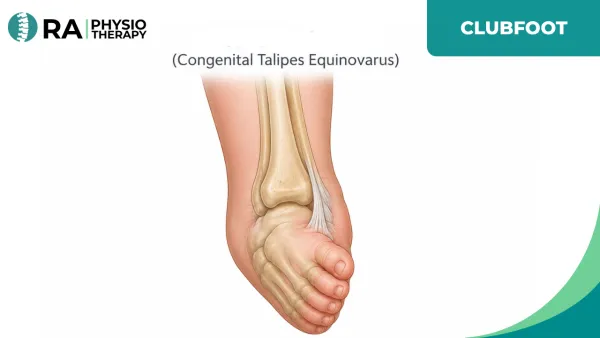
Clubfoot (CTEV) Treatment & Physiotherapy for Congenital Talipes Equinovarus
Read More
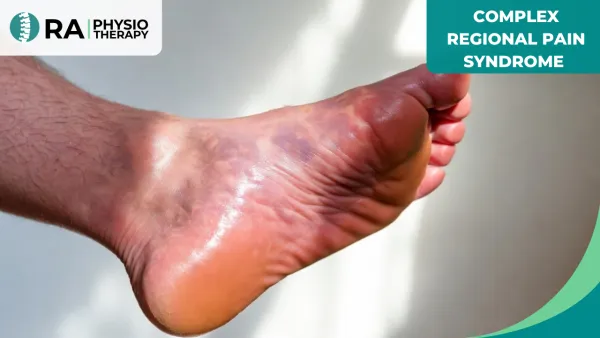
Complex Regional Pain Syndrome (CRPS) is a chronic pain condition that usually develops after an injury, surgery, fracture, or nerve damage. The condition commonly affects the arms, hands, legs, or feet and causes severe, prolonged pain that may be greater than expected from the original injury. CRPS can also lead to swelling, stiffness, skin sensitivity, changes in skin color or temperature, muscle weakness, and difficulty moving the affected limb. Early physiotherapy rehabilitation is important to reduce pain, improve mobility, and restore normal function.
Read More
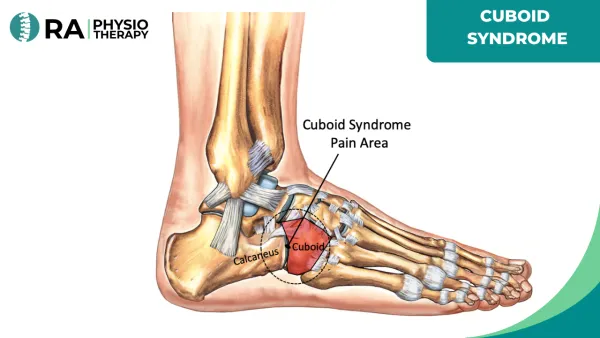
Cuboid syndrome is a condition caused by irritation, misalignment, or partial displacement of the cuboid bone in the foot. The cuboid bone is located on the outer side of the foot and plays an important role in foot stability and movement. Cuboid syndrome commonly causes pain on the outer side of the foot and may affect walking, standing, running, or sports activities. It often develops due to ankle sprains, overuse injuries, poor foot mechanics, or repetitive stress on the foot. Physiotherapy helps reduce pain, restore proper foot alignment, improve mobility, and strengthen the surrounding muscles.
Read More
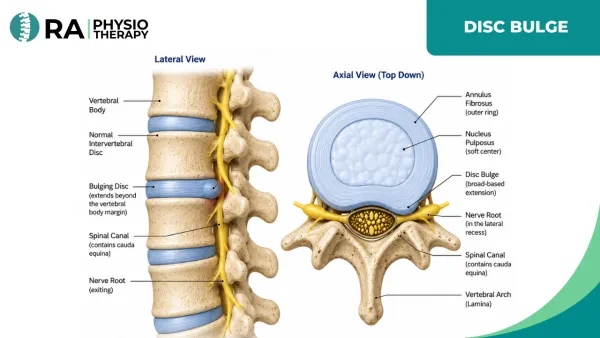
A disc bulge occurs when a spinal disc extends outward beyond its normal position due to pressure or weakening of the disc walls. Spinal discs act as cushions between the vertebrae and help absorb shock during movement. A bulging disc can place pressure on nearby nerves and cause pain, stiffness, numbness, or weakness. Disc bulges commonly occur in the neck and lower back and may develop gradually due to aging, poor posture, repetitive strain, or heavy lifting. Physiotherapy plays an important role in reducing pain, improving mobility, and strengthening the spine for long-term recovery.
Read More
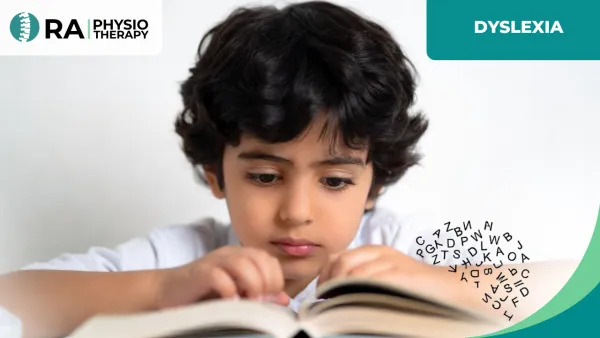
Dyslexia is a learning disorder that affects reading, spelling, writing, and language processing skills. Individuals with dyslexia may have difficulty recognizing words, understanding sounds in language, and reading fluently despite having normal intelligence and learning opportunities. Dyslexia commonly appears during childhood but can continue into adulthood. Early intervention and therapy help improve language skills, learning abilities, confidence, and academic performance.
Read More
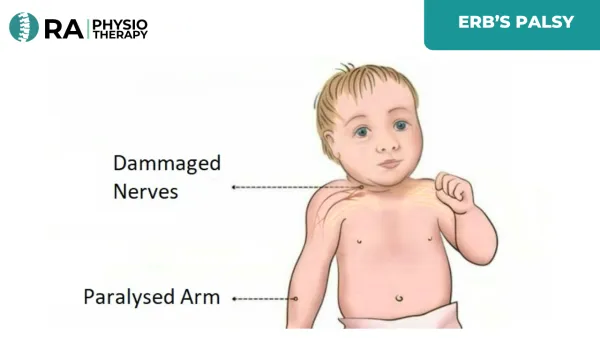
Erb’s palsy, also known as Erb-Duchenne paralysis, is a condition that causes weakness or loss of movement in the arm due to injury of the upper brachial plexus nerves, mainly involving the C5 and C6 nerve roots (Erb’s point). It most commonly occurs during birth due to excessive traction between the baby’s head and shoulder, but it can also occur in adults due to trauma or injury. The condition affects key muscles of the shoulder and upper limb, including the deltoid, biceps, supraspinatus, infraspinatus, and brachialis, leading to significant functional limitation of the arm.
Read More

Fecal incontinence is a condition in which a person loses control over bowel movements, leading to accidental leakage of stool. The condition can range from occasional leakage while passing gas to complete loss of bowel control. Fecal incontinence may occur due to weakness of the pelvic floor muscles, nerve damage, chronic constipation, childbirth injuries, surgery, or neurological conditions. It can affect daily activities, confidence, and quality of life. Pelvic floor physiotherapy helps improve bowel control, strengthen muscles, and restore pelvic floor function safely and effectively.
Read More
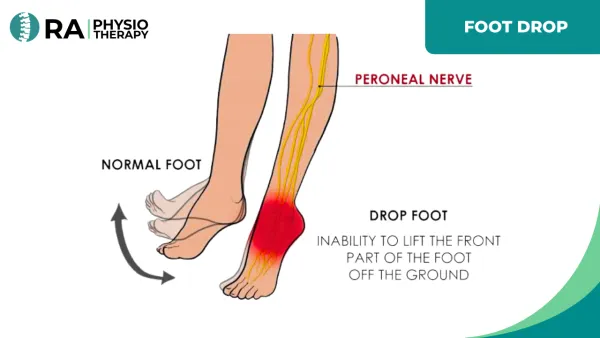
Foot drop is a condition in which a person has difficulty lifting the front part of the foot due to weakness or paralysis of the muscles responsible for ankle and foot movement. This can affect walking and cause the toes to drag while walking. Foot drop commonly occurs due to nerve injuries, muscle disorders, spinal problems, stroke, or neurological conditions affecting the muscles and nerves of the leg and foot. Physiotherapy rehabilitation helps improve muscle strength, walking ability, balance, and overall functional mobility.
Read More
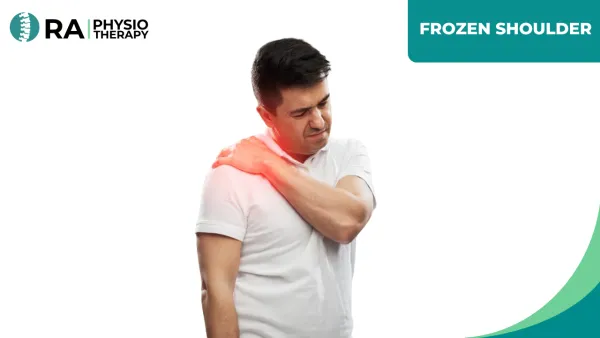
Frozen shoulder, also known as adhesive capsulitis, is a condition characterized by pain, stiffness, and restricted movement in the shoulder joint. It occurs when the shoulder capsule becomes inflamed and tight, limiting normal shoulder mobility. Frozen shoulder commonly develops gradually and may worsen over time if left untreated. The condition can affect daily activities such as dressing, reaching overhead, lifting objects, or sleeping comfortably. Physiotherapy plays an important role in reducing pain, improving shoulder mobility, restoring strength, and improving overall shoulder function.
Read More
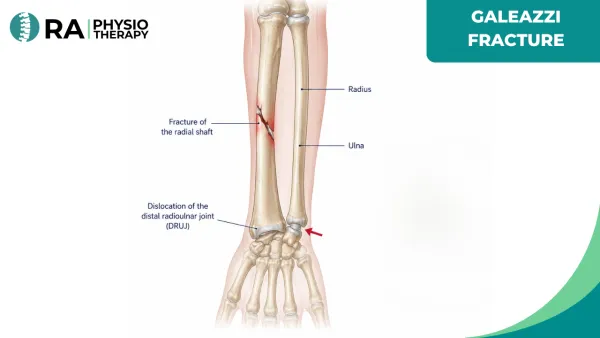
A Galeazzi fracture is a type of forearm injury involving a fracture of the radius bone along with dislocation or injury of the distal radioulnar joint near the wrist. This injury commonly occurs due to falls, sports injuries, road accidents, or direct trauma to the forearm. A Galeazzi fracture can cause severe pain, swelling, wrist instability, reduced arm movement, and difficulty using the hand. Physiotherapy rehabilitation after medical or surgical treatment is important for restoring strength, mobility, and normal arm function.
Read More
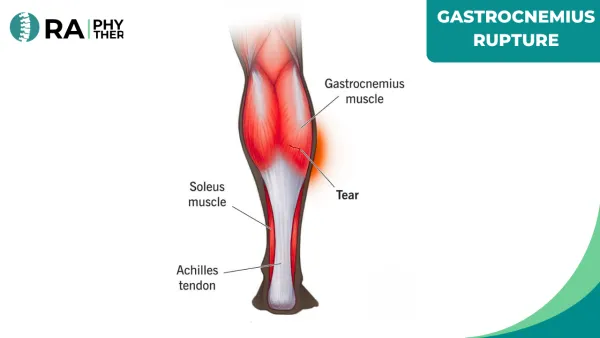
A gastrocnemius rupture is a tear or injury to the gastrocnemius muscle, one of the major muscles of the calf. This injury commonly occurs during sudden pushing, jumping, sprinting, or rapid direction changes and is often referred to as “tennis leg.” A gastrocnemius rupture can range from a mild muscle strain to a complete tear and may cause sudden calf pain, swelling, weakness, and difficulty walking. Physiotherapy rehabilitation helps reduce pain, restore muscle strength, improve flexibility, and support safe return to activity.
Read More
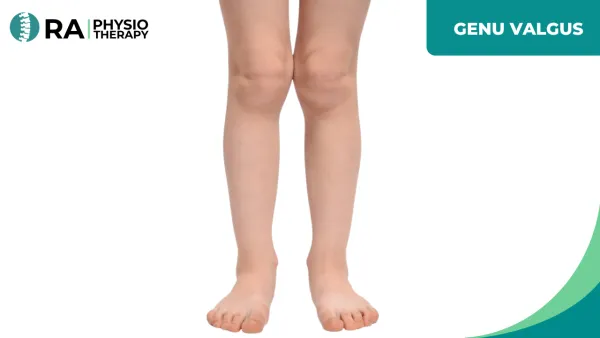
Genu valgus, commonly known as knock knees, is a condition in which the knees angle inward and touch each other while the ankles remain apart. This alignment problem can affect walking, posture, balance, and overall lower limb mechanics. Genu valgus is commonly seen in children during growth, but it can also occur in adolescents and adults due to muscle imbalance, obesity, injury, arthritis, or bone deformities. Physiotherapy helps improve alignment, strengthen muscles, and reduce stress on the knees and surrounding joints.
Read More
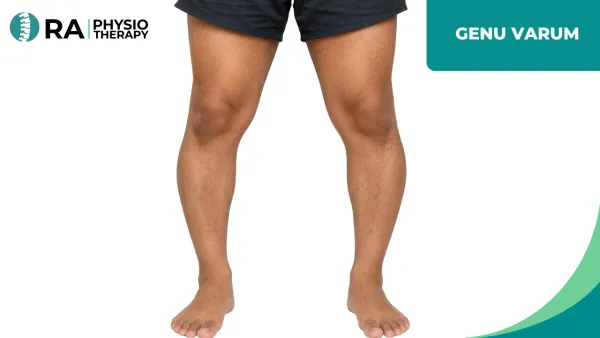
Genu varum, commonly known as bow legs, is a condition in which the legs curve outward at the knees while the feet and ankles remain together. This causes a gap between the knees and can affect posture, walking patterns, balance, and lower limb alignment. Genu varum is commonly seen in infants and young children during growth, but it may also occur in adolescents and adults due to bone deformities, arthritis, nutritional deficiencies, injury, or muscle imbalance. Physiotherapy helps improve posture, strengthen muscles, and reduce stress on the joints.
Read More
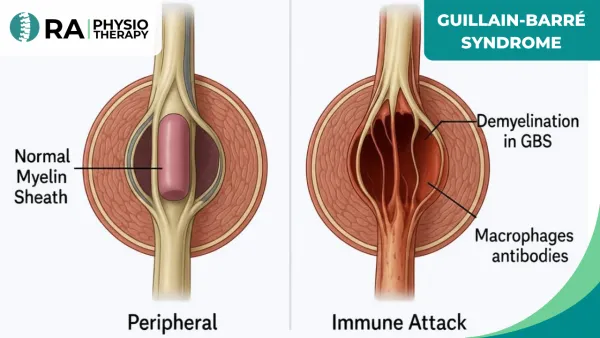
Guillain-Barré Syndrome (GBS) is a rare neurological condition in which the body’s immune system mistakenly attacks the peripheral nerves. This can cause muscle weakness, numbness, tingling sensations, and difficulty with movement. GBS often develops suddenly and may progress rapidly over days or weeks. In severe cases, it can affect walking, balance, breathing, and daily activities. Early rehabilitation and physiotherapy play an important role in recovery and improving functional independence.
Read More
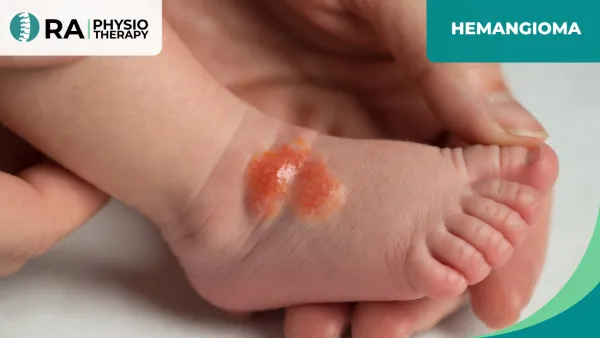
Hemangioma is a benign growth made up of abnormal blood vessels. It commonly appears on the skin but can also develop in muscles, bones, or internal organs. Hemangiomas are often present at birth or develop during early childhood. Most hemangiomas are harmless and may gradually shrink over time. However, depending on their size and location, they can sometimes cause pain, swelling, movement difficulties, posture problems, or functional limitations. Physiotherapy rehabilitation may help improve mobility, reduce discomfort, and support functional movement in individuals affected by musculoskeletal or movement- related complications of hemangioma.
Read More
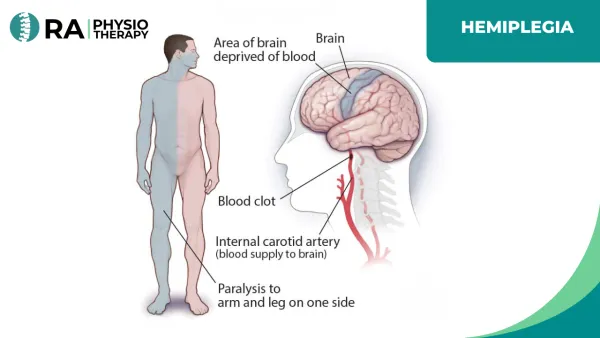
Hemiplegia is a neurological condition that causes paralysis or severe weakness on one side of the body. It commonly affects the arm, leg, and facial muscles on the affected side and may occur due to stroke, brain injury, spinal cord injury, or neurological disorders. Hemiplegia can affect movement, balance, walking, coordination, speech, and daily functional activities. Physiotherapy rehabilitation plays an important role in improving mobility, muscle strength, balance, coordination, and independence.
Read More
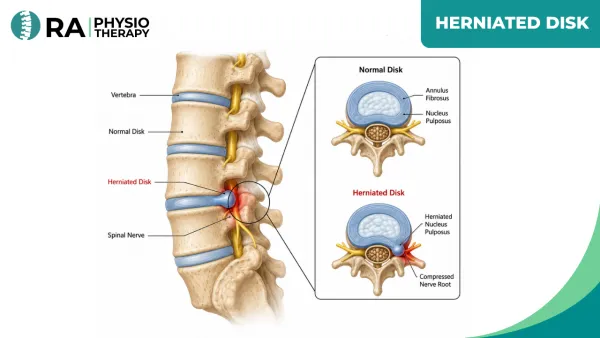
A herniated disc, also known as a slipped disc, occurs when the soft inner portion of a spinal disc pushes through the outer layer of the disc. This can irritate nearby nerves and cause pain, numbness, weakness, or tingling sensations. A slipped disc can occur anywhere in the spine, but it is most commonly seen in the neck and lower back. It often develops due to aging, poor posture, heavy lifting, sudden twisting movements, or prolonged stress on the spine.
Read More
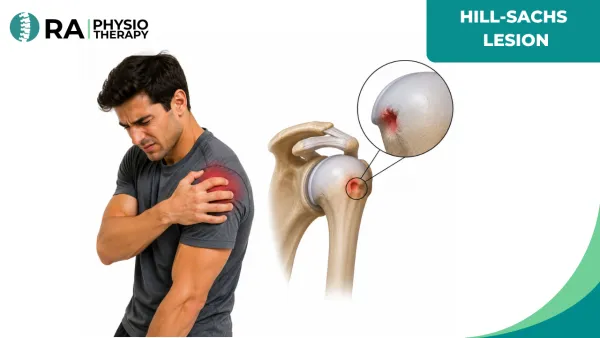
A Hill-Sachs lesion is an injury to the head of the humerus (upper arm bone) that commonly occurs after a shoulder dislocation. During a shoulder dislocation, the humeral head can strike the edge of the shoulder socket, causing a compression fracture or dent in the bone. This condition is often associated with recurrent shoulder instability and may cause pain, weakness, reduced mobility, and repeated shoulder dislocations. Physiotherapy rehabilitation helps improve shoulder stability, restore strength, reduce pain, and improve functional movement.
Read More
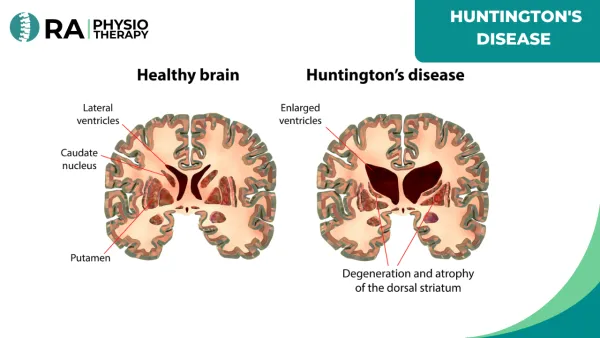
Huntington’s Disease (HD) is a progressive neurological disorder that affects movement, coordination, balance, cognition, and behavior. It occurs due to degeneration of nerve cells in the brain and is usually inherited genetically. HD can lead to involuntary movements, muscle weakness, poor balance, difficulty walking, speech problems, and reduced ability to perform daily activities. Physiotherapy rehabilitation plays an important role in maintaining mobility, improving balance, reducing fall risk, and supporting independence and quality of life.
Read More
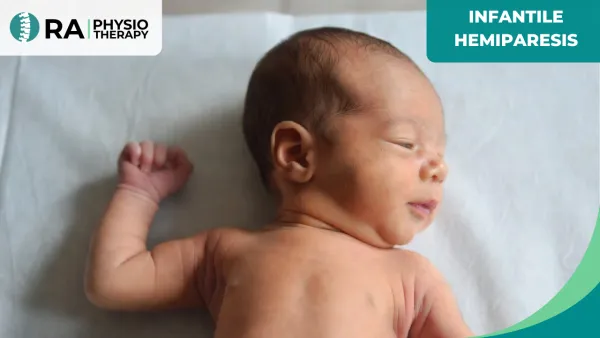
Infantile hemiparesis is a neurological condition in which a child experiences weakness or reduced movement on one side of the body. It commonly affects the arm, hand, leg, and facial muscles on the affected side and may impact balance, coordination, posture, and daily functional activities. Infantile hemiparesis may develop due to brain injury, stroke, cerebral palsy, infections, or developmental neurological conditions occurring before, during, or shortly after birth. Pediatric physiotherapy plays an important role in improving movement, strength, balance, coordination, and functional independence during a child’s growth and development.
Read More
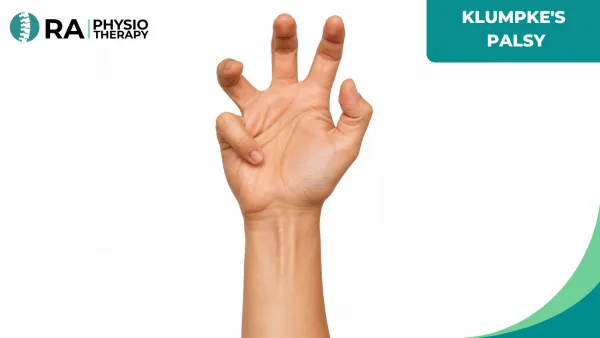
Klumpke’s palsy is a type of brachial plexus injury that affects the lower nerves of the arm, mainly involving the hand and forearm muscles. It commonly occurs due to birth injuries, trauma, excessive stretching of the arm, or accidents affecting the lower brachial plexus nerves. Klumpke’s palsy can lead to weakness or paralysis of the hand and wrist muscles, reduced grip strength, numbness, and difficulty performing fine motor activities. Early physiotherapy rehabilitation helps improve muscle function, mobility, coordination, and overall arm function.
Read More
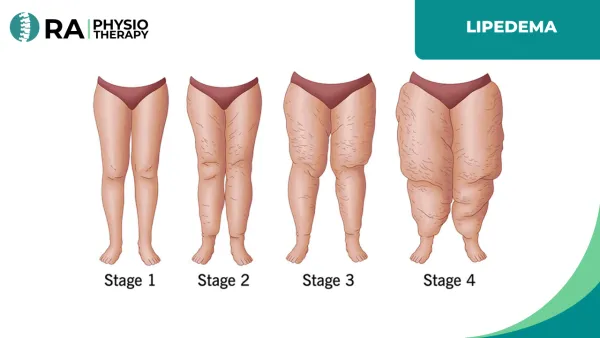
Lipedema is a chronic condition involving abnormal fat buildup, commonly affecting the hips, thighs, buttocks, and legs. It primarily occurs in women and can cause pain, swelling, heaviness, tenderness, and reduced mobility. Unlike regular weight gain, lipedema fat is usually symmetrical and may not improve significantly with diet or exercise alone. The condition can gradually affect walking ability, posture, balance, and daily activities. Physiotherapy rehabilitation helps improve circulation, reduce discomfort, improve mobility, and support overall physical function and quality of life.
Read More
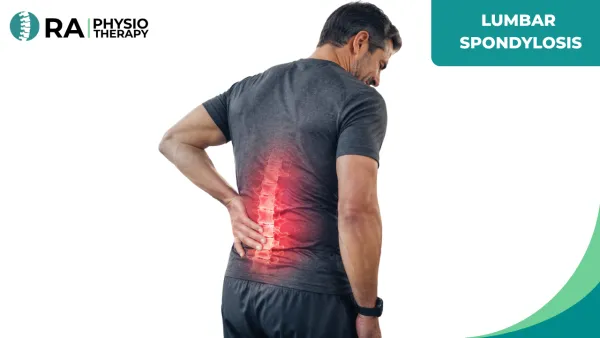
Lumbar spondylosis is a common lower back condition caused by age-related wear and tear of the spine. It affects the discs, joints, and bones of the lumbar spine, leading to lower back pain, stiffness, reduced flexibility, and difficulty in movement. This condition commonly develops due to aging, poor posture, prolonged sitting, repetitive bending, lifting, or continuous stress on the lower back.
Read More
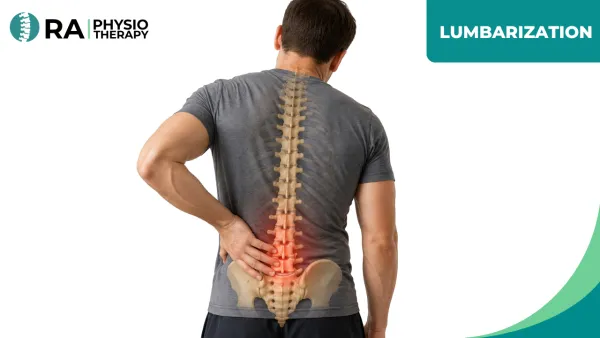
Lumbarization is a congenital spinal condition in which the first sacral vertebra does not fuse properly with the sacrum and instead functions like an additional lumbar vertebra. This variation in spinal structure can affect spinal alignment, mobility, and load distribution in the lower back. Some individuals with lumbarization may not experience symptoms, while others may develop lower back pain, stiffness, muscle imbalance, or posture-related problems due to increased stress on the spine. Physiotherapy helps reduce pain, improve spinal stability, strengthen supporting muscles, and improve posture and movement patterns.
Read More
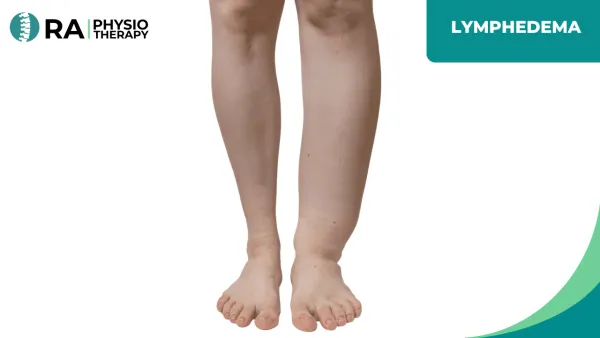
Lymphedema is a condition caused by the buildup of lymphatic fluid in the body’s tissues, leading to swelling, usually in the arms or legs. It occurs when the lymphatic system is damaged or blocked and is unable to drain fluid properly. Lymphedema may develop after surgery, cancer treatment, radiation therapy, infections, trauma, or lymph node removal. The condition can cause swelling, heaviness, discomfort, stiffness, and difficulty performing daily activities. Physiotherapy and lymphedema rehabilitation help reduce swelling, improve circulation, maintain mobility, and improve overall quality of life.
Read More
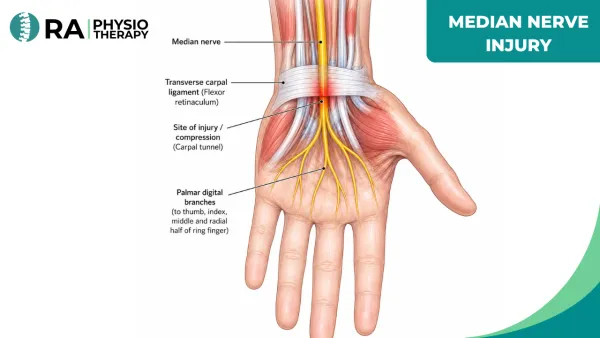
Median nerve injury occurs when the median nerve becomes compressed, stretched, or damaged. The median nerve runs from the neck through the arm into the hand and controls sensation and movement in parts of the hand, thumb, and fingers. A median nerve injury can cause pain, numbness, tingling, weakness, and difficulty performing hand movements. The condition may develop due to trauma, repetitive hand use, nerve compression, fractures, or surgical complications. Physiotherapy rehabilitation helps improve nerve function, restore hand strength, reduce pain, and improve daily functional activities.
Read More
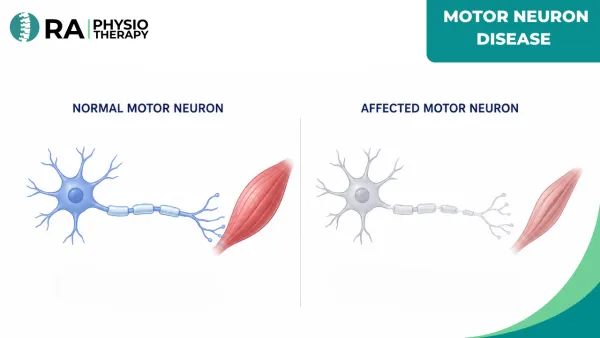
Motor Neuron Disease (MND) is a progressive neurological condition that affects the motor neurons, the nerve cells responsible for controlling voluntary muscle movements. As these nerves gradually deteriorate, muscles become weak, stiff, and less functional over time. MND can affect movement, walking, balance, speech, swallowing, and breathing. Physiotherapy rehabilitation plays an important role in maintaining mobility, reducing muscle stiffness, improving comfort, and supporting functional independence and quality of life.
Read More
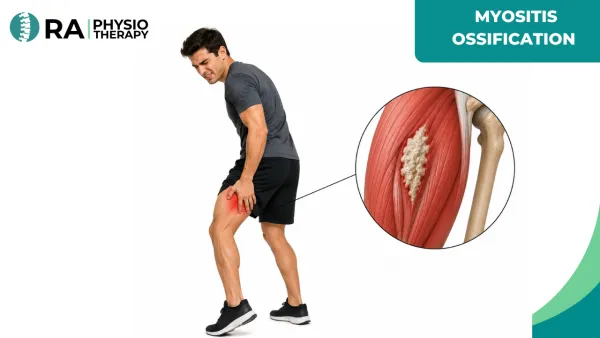
Myositis ossification (MO), also known as myositis ossificans, is a condition in which bone tissue abnormally forms inside muscles or soft tissues after an injury or repeated trauma. It commonly develops following muscle bruising, sports injuries, fractures, or direct impact to the muscles. The condition most commonly affects large muscles such as the thigh, arm, or hip muscles and can cause pain, swelling, stiffness, and restricted movement. Physiotherapy rehabilitation helps improve mobility, reduce stiffness, restore muscle function, and support safe recovery.
Read More
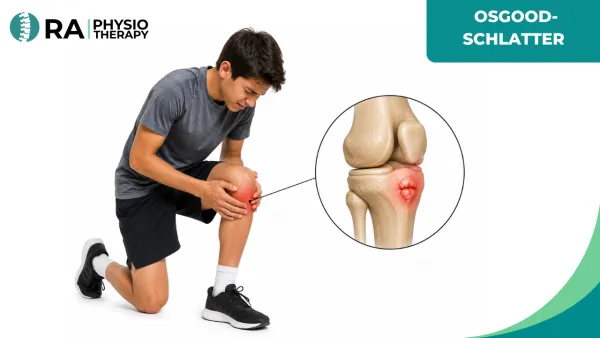
Osgood-Schlatter disease is a common condition that causes pain and swelling just below the knee, where the patellar tendon attaches to the shinbone (tibia). It commonly affects growing children and teenagers, especially those involved in sports activities that include running, jumping, or rapid direction changes. The condition develops due to repeated stress on the growth plate during periods of rapid growth. Physiotherapy helps reduce pain, improve flexibility, strengthen muscles, and support safe return to sports and physical activities.
Read More

Pelvic organ prolapse is a condition in which one or more pelvic organs, such as the bladder, uterus, or rectum, descend or bulge into the vaginal area due to weakness of the pelvic floor muscles and supporting tissues. Pelvic organ prolapse commonly occurs after childbirth, aging, menopause, chronic straining, or pelvic floor weakness. The condition can cause discomfort, pressure, urinary problems, and difficulty with daily activities. Pelvic floor physiotherapy helps strengthen the pelvic muscles, improve support for pelvic organs, reduce symptoms, and improve quality of life.
Read More
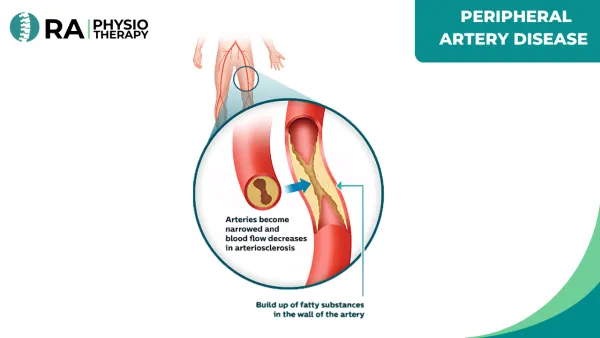
Peripheral Artery Disease (PAD) is a circulatory condition in which the arteries supplying blood to the legs or arms become narrowed due to reduced blood flow. This commonly occurs because of plaque buildup inside the arteries, leading to poor circulation in the limbs. PAD most commonly affects the legs and may cause pain while walking, muscle cramps, weakness, numbness, and reduced physical endurance. Physiotherapy rehabilitation helps improve circulation, walking ability, muscle strength, and overall functional mobility.
Read More
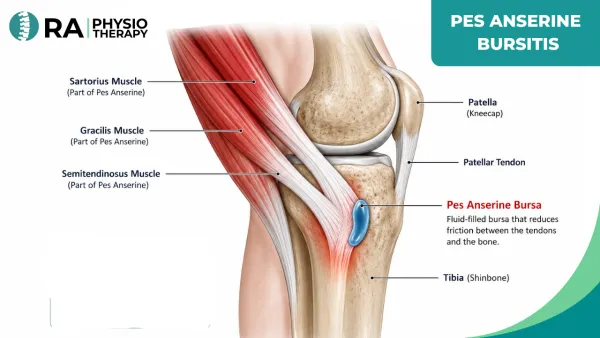
Pes anserine bursitis is a painful condition caused by inflammation of the bursa located on the inner side of the knee. The bursa is a small fluid-filled sac that reduces friction between the tendons and bones around the knee joint. When the bursa becomes irritated due to overuse, stress, or injury, it can lead to pain, swelling, and difficulty in movement. This condition commonly affects runners, athletes, overweight individuals, and people with knee osteoarthritis.
Read More
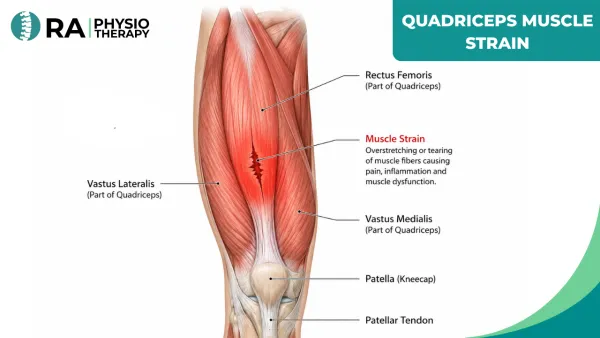
A quadriceps muscle strain is a tear or overstretching injury of the muscles at the front of the thigh. This injury commonly occurs during running, jumping, kicking, sudden movements, or sports activities. It can range from mild muscle tightness to a complete muscle tear. The quadriceps muscles help straighten the knee and support walking, running, and athletic movements.
Read More
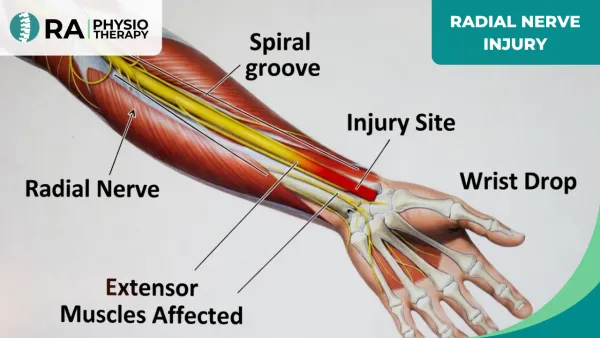
Radial nerve injury occurs when the radial nerve is compressed, stretched, or damaged. The radial nerve controls movement and sensation in the arm, wrist, and hand. Injury to this nerve can affect the ability to straighten the wrist, fingers, and elbow, leading to weakness and difficulty performing daily activities. Radial nerve injuries may occur due to trauma, fractures, prolonged pressure on the nerve, sports injuries, or nerve compression. Early physiotherapy rehabilitation helps improve strength, restore movement, and support nerve recovery.
Read More
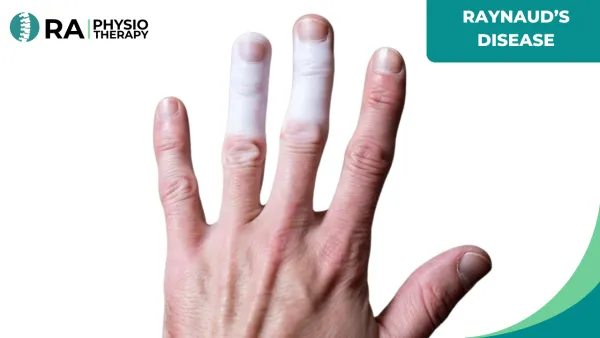
Raynaud’s Disease is a condition that affects blood circulation, usually in the fingers and toes. In this condition, the small blood vessels narrow excessively in response to cold temperatures or stress, reducing blood flow to the affected areas. During an episode, the fingers or toes may change color and become cold, numb, painful, or tingling. Raynaud’s Disease can affect daily activities and hand function, especially in cold environments. Physiotherapy helps improve circulation, reduce pain and stiffness, improve hand mobility, and support overall functional movement.
Read More
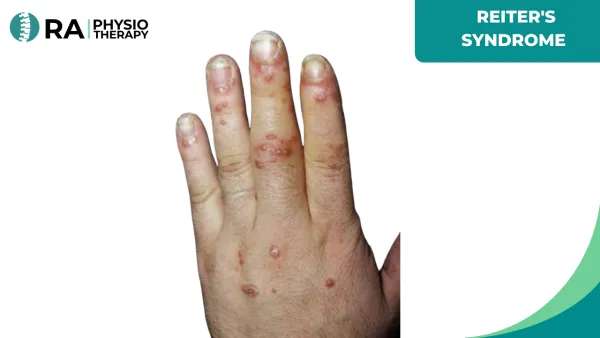
Reiter’s syndrome, also known as reactive arthritis, is an inflammatory condition that develops after certain bacterial infections, commonly affecting the joints, eyes, and urinary tract. The condition often causes joint pain, swelling, stiffness, and difficulty with movement. Reiter’s syndrome commonly affects the knees, ankles, feet, and lower back and may lead to reduced mobility and functional limitations. Physiotherapy rehabilitation helps reduce pain and stiffness, improve joint mobility, strengthen muscles, and restore functional movement.
Read More
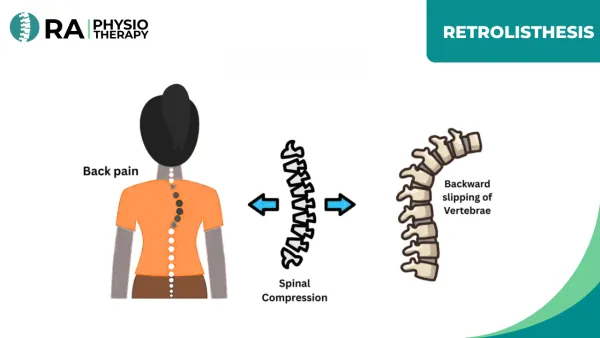
Retrolisthesis is a spinal condition in which one vertebra slips backward in relation to the vertebra below it. This abnormal spinal alignment can place pressure on spinal discs, joints, muscles, and nerves, leading to pain, stiffness, and movement difficulties. Retrolisthesis commonly affects the cervical spine (neck) or lumbar spine (lower back) and may develop due to spinal degeneration, poor posture, trauma, muscle weakness, or disc problems. Physiotherapy helps reduce pain, improve spinal stability, strengthen supporting muscles, and restore proper posture and movement.
Read More
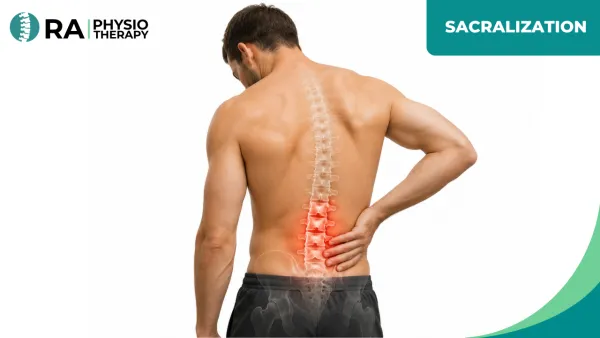
Sacralization is a spinal condition in which the lowest lumbar vertebra becomes partially or completely fused with the sacrum. This anatomical variation can affect spinal movement and may lead to lower back pain, stiffness, and altered body mechanics. Some people with sacralization may not experience symptoms, while others may develop pain due to increased stress on nearby spinal joints and muscles. Physiotherapy helps improve mobility, reduce pain, and strengthen the supporting muscles around the spine.
Read More
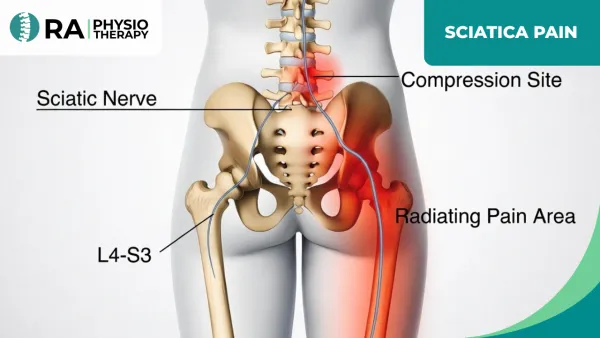
Sciatica is a condition caused by irritation or compression of the sciatic nerve, the largest nerve in the body. The sciatic nerve starts from the lower back and travels through the hips, buttocks, and down each leg. Sciatica commonly causes pain that radiates from the lower back into the buttock and leg. The pain can range from mild discomfort to severe sharp or burning pain that affects daily activities and mobility. Sciatica usually develops due to a herniated disc, spinal degeneration, muscle tightness, or prolonged pressure on the nerve.
Read More
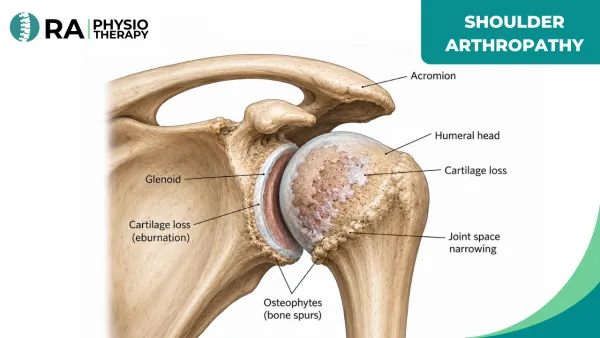
Shoulder arthropathy is a condition involving damage, degeneration, or dysfunction of the shoulder joint. It may develop due to arthritis, rotator cuff injuries, joint wear and tear, trauma, or long-term shoulder instability. The condition can cause pain, stiffness, weakness, and reduced shoulder movement. Shoulder arthropathy commonly affects daily activities such as lifting the arm, reaching overhead, dressing, and carrying objects. Physiotherapy helps reduce pain, improve joint mobility, strengthen surrounding muscles, and restore shoulder function.
Read More
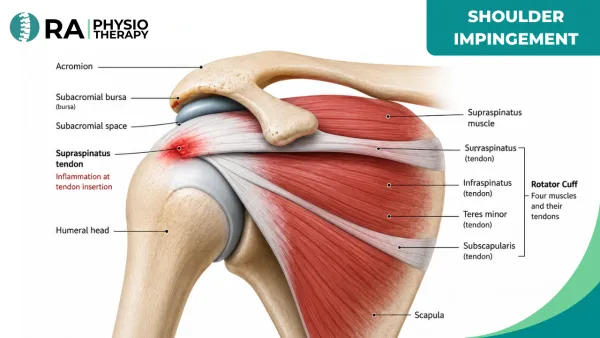
Shoulder impingement is a condition in which the tendons or soft tissues of the shoulder become compressed or irritated between the shoulder bones during arm movements. This commonly causes pain, inflammation, weakness, and difficulty lifting the arm. Shoulder impingement often develops due to repetitive overhead activities, poor posture, muscle imbalance, sports injuries, or shoulder overuse. Early physiotherapy treatment helps reduce pain, restore shoulder mobility, and improve strength and function.
Read More
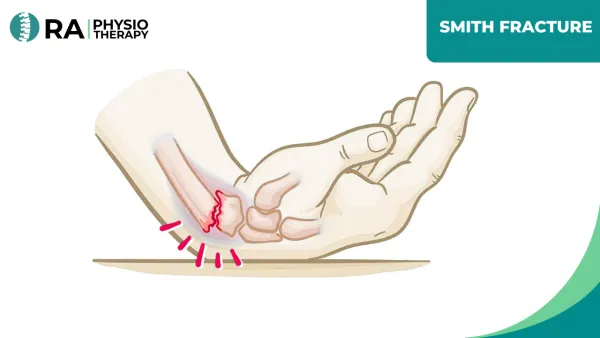
A Smith fracture is a type of wrist fracture involving a break in the distal radius bone near the wrist, where the broken fragment shifts downward toward the palm side of the hand. It is sometimes referred to as a reverse Colles fracture. This injury commonly occurs due to falls onto a bent wrist, sports injuries, road accidents, or direct trauma to the wrist. A Smith fracture can cause pain, swelling, deformity, stiffness, and difficulty using the hand and wrist. Physiotherapy rehabilitation after medical or surgical treatment helps restore wrist movement, improve strength, reduce stiffness, and regain normal hand function.
Read More
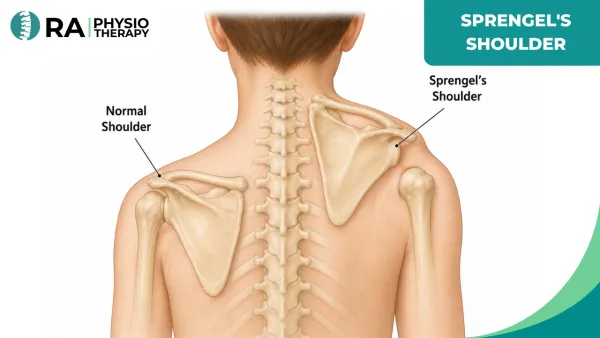
Sprengel’s shoulder, also known as high scapula, is a congenital deformity of the shoulder girdle in which one (or both) scapulae are positioned abnormally high on the back. It is the most common congenital shoulder deformity and occurs due to improper development and descent of the scapula during fetal growth. The affected scapula may be abnormally connected to the spine through fibrous or bony attachments, leading to restricted shoulder movement. In many cases, it is associated with scoliosis, cervical spine abnormalities, and muscle underdevelopment, affecting overall shoulder and neck function.
Read More
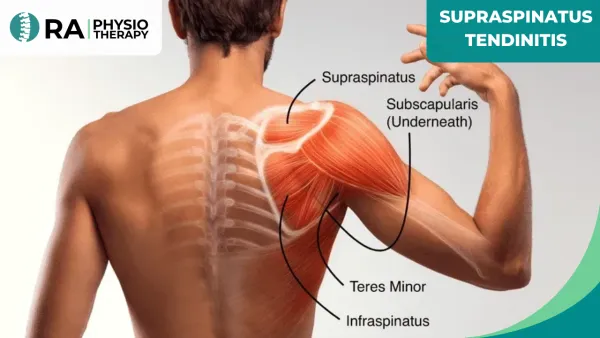
Supraspinatus tendinitis is a condition involving inflammation or irritation of the supraspinatus tendon, one of the main tendons of the rotator cuff in the shoulder. The supraspinatus muscle helps lift the arm and stabilize the shoulder joint during movement. This condition commonly causes shoulder pain, weakness, and difficulty performing overhead activities. Supraspinatus tendinitis often develops due to repetitive shoulder use, sports activities, poor posture, muscle imbalance, or shoulder overuse. Physiotherapy helps reduce pain, improve shoulder mobility, strengthen the rotator cuff muscles, and restore normal shoulder function.
Read More
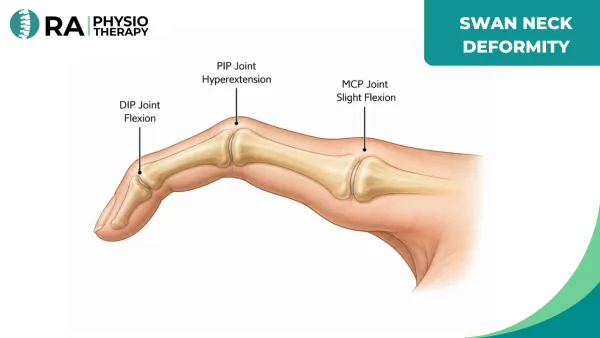
Swan neck deformity is a condition in which the middle joint of the finger bends backward while the fingertip bends downward, creating a shape similar to a swan’s neck. This deformity affects finger movement and makes daily hand activities difficult. It commonly occurs due to arthritis, tendon injury, nerve damage, or untreated finger injuries.
Read More
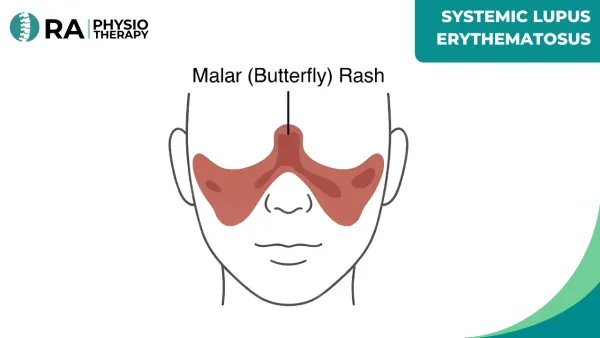
Systemic Lupus Erythematosus (SLE), commonly known as lupus, is a chronic autoimmune disease in which the body’s immune system mistakenly attacks healthy tissues and organs. SLE can affect the joints, muscles, skin, kidneys, lungs, nervous system, and other parts of the body. The condition commonly causes joint pain, muscle weakness, fatigue, inflammation, stiffness, and reduced physical function. Physiotherapy rehabilitation helps improve mobility, reduce pain and stiffness, maintain muscle strength, and improve overall quality of life.
Read More
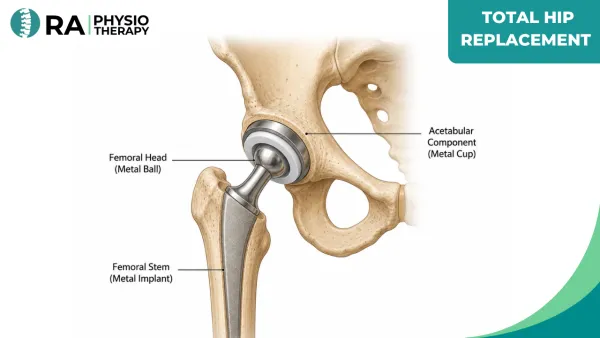
Total Hip Replacement (THR), also known as hip arthroplasty, is a surgical procedure in which a damaged hip joint is replaced with artificial components made of metal, ceramic, or plastic. The surgery is commonly performed to relieve severe hip pain, stiffness, and difficulty in movement caused by arthritis or hip joint damage. During the procedure, the damaged hip socket and femoral head are removed and replaced with artificial implants to restore hip function and improve mobility. Conditions That May Require Total Hip Replacement THR may be recommended for patients with:
Read More
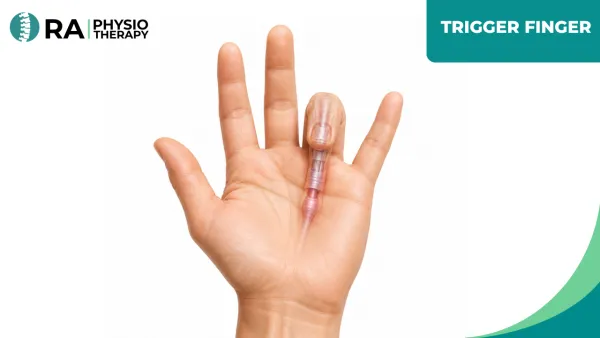
Trigger finger, also known as stenosing tenosynovitis, is a condition in which a finger or thumb gets stuck or locks while bending and straightening. It occurs when the tendon responsible for finger movement becomes inflamed or irritated, making smooth movement difficult. Trigger finger commonly affects the thumb, middle finger, or ring finger and may cause pain, stiffness, clicking sensations, and difficulty performing daily hand activities. Physiotherapy helps reduce inflammation, improve tendon movement, and restore normal hand function.
Read More
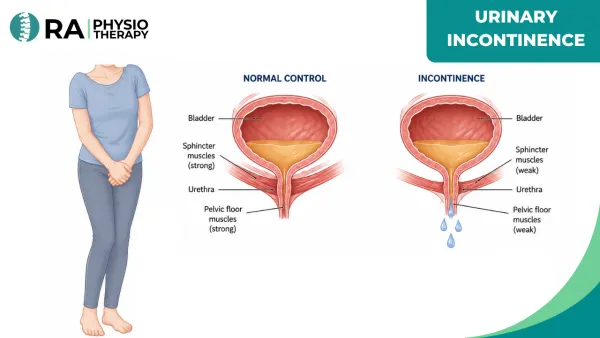
Urinary incontinence is a condition involving the loss of bladder control, leading to accidental leakage of urine. It can affect people of all ages and may occur due to weakened pelvic floor muscles, nerve problems, pregnancy, childbirth, aging, surgery, or certain medical conditions. Urinary incontinence can affect daily activities, confidence, sleep, and quality of life. Pelvic floor physiotherapy helps strengthen the pelvic muscles, improve bladder control, and restore normal pelvic function safely and effectively.
Read More
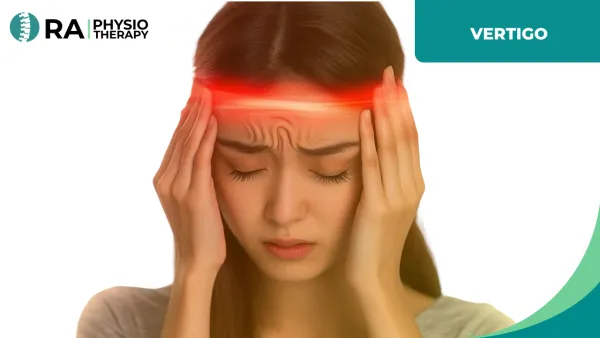
Vertigo is a condition that causes a sensation of spinning, dizziness, or loss of balance even when a person is not moving. It commonly occurs due to problems affecting the inner ear, vestibular system, or certain neurological conditions. Vertigo can interfere with walking, balance, head movements, and daily activities. Individuals with vertigo may experience dizziness, nausea, unsteadiness, and difficulty focusing during movement. Physiotherapy rehabilitation, especially vestibular rehabilitation therapy (VRT), helps improve balance, reduce dizziness, improve coordination, and restore confidence during movement.
Read More
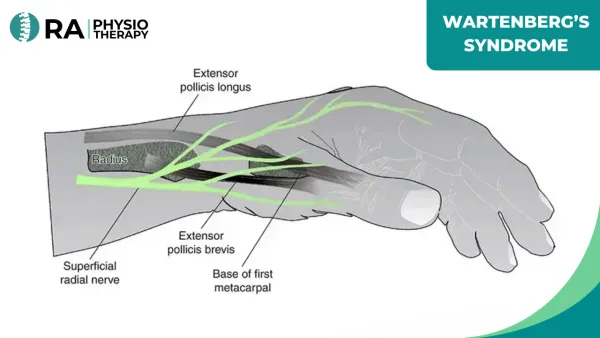
Wartenberg’s Syndrome, also known as superficial radial nerve entrapment, is a condition caused by irritation or compression of the superficial branch of the radial nerve near the wrist and thumb area. This condition commonly leads to pain, burning sensations, numbness, and tingling on the back of the hand and thumb. Wartenberg’s Syndrome may develop due to repetitive wrist movements, tight wristbands or watches, trauma, overuse injuries, or prolonged pressure on the nerve. Physiotherapy helps reduce nerve irritation, relieve pain, and restore normal hand and wrist function.
Read More
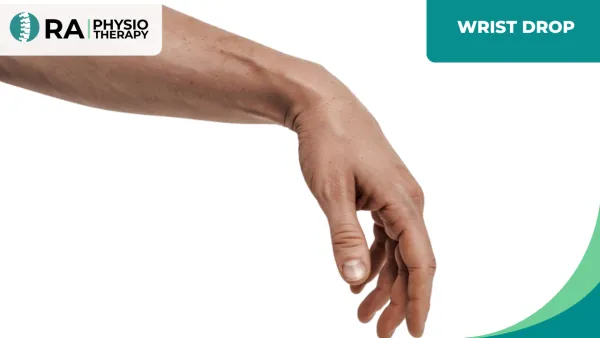
Wrist drop is a condition in which a person is unable to lift or extend the wrist and fingers properly due to weakness or paralysis of the muscles that control wrist extension. It commonly occurs because of radial nerve injury, nerve compression, trauma, fractures, or neurological conditions. Wrist drop can affect hand function, grip strength, coordination, and the ability to perform daily activities such as holding objects, writing, or lifting items. Physiotherapy rehabilitation helps improve muscle strength, restore movement, and support nerve recovery.
Read More
 Emergency No. : +91 93104 16308
For any additional inqueries : info@raphysiotherapy.com
Book Appointment: +91 124 456 7890
Working Hours : Mon to Sat : 11:00 AM - 9:00 PM, Sun : 5:00 PM - 9:00 PM
Emergency No. : +91 93104 16308
For any additional inqueries : info@raphysiotherapy.com
Book Appointment: +91 124 456 7890
Working Hours : Mon to Sat : 11:00 AM - 9:00 PM, Sun : 5:00 PM - 9:00 PM
Emergency No. : +91 93104 16308
For any additional inqueries : info@raphysiotherapy.com
Book Appointment: +91 124 456 7890
Working Hours : Mon to Sat : 11:00 AM - 9:00 PM, Sun : 5:00 PM - 9:00 PM
Emergency No. : +91 93104 16308
For any additional inqueries : info@raphysiotherapy.com
Book Appointment: +91 124 456 7890
Working Hours : Mon to Sat : 11:00 AM - 9:00 PM, Sun : 5:00 PM - 9:00 PM
Online Support


