


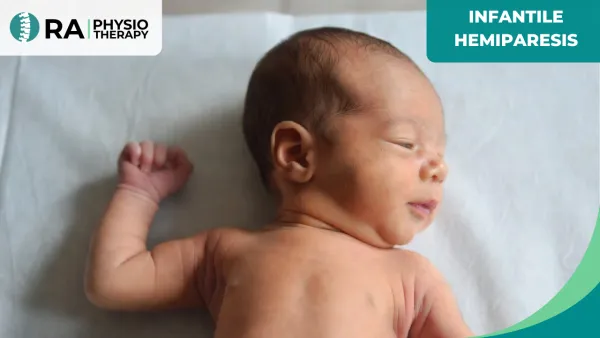
Infantile Hemiparesis
Infantile Hemiparesis Treatment & Pediatric Physiotherapy RehabilitationInfantile hemiparesis is a neurological condition in which a child experiences weakness or reduced movement on one side of the body. It commonly affects the arm, hand, leg, and facial muscles on the affected side and may impact balance, coordination, posture, and daily functional activities. Infantile hemiparesis may develop due to brain injury, stroke, cerebral palsy, infections, or developmental neurological conditions occurring before, during, or shortly after birth. Pediatric physiotherapy plays an important role in improving movement, strength, balance, coordination, and functional independence during a child’s growth and development.
Infantile hemiparesis is a neurological condition in which a child experiences weakness or reduced movement on one side of the body. It commonly affects the arm, hand, leg, and facial muscles on the affected side and may impact balance, coordination, posture, and daily functional activities. Infantile hemiparesis may develop due to brain injury, stroke, cerebral palsy, infections, or developmental neurological conditions occurring before, during, or shortly after birth. Pediatric physiotherapy plays an important role in improving movement, strength, balance, coordination, and functional independence during a child’s growth and development.
Common symptoms include:
- Weakness on one side of the body
- Delayed motor development
- Difficulty using one hand or arm
- Poor balance and coordination
- Abnormal walking pattern
- Muscle stiffness or tightness
- Reduced grip strength
- Difficulty with crawling or walking
- Postural imbalance
- Delayed functional skills
Infantile hemiparesis may occur due to:
- Cerebral palsy
- Pediatric stroke
- Brain injury
- Birth-related complications
- Brain infections
- Neurological developmental disorders
- Lack of oxygen during birth
- Congenital brain abnormalities
Diagnosis includes neurological and developmental assessment to evaluate muscle function, movement, and motor skills. Tests may include:
- Pediatric neurological examination
- Developmental assessment
- Muscle tone evaluation
- Functional movement assessment
- MRI scan
- CT scan
- Gait and posture analysis
Pediatric physiotherapy helps improve muscle strength, movement control, posture, balance, and functional independence. Muscle Relaxation & Pain Relief Therapy
- Gentle stretching techniques
- Positioning techniques
- Soft tissue mobilization
- Heat therapy where appropriate
Neurodevelopmental Therapy Neurodevelopmental therapy techniques help improve movement patterns, posture, coordination, and body control.
Customized pediatric exercise programs help improve strength, mobility, balance, and motor development.
- Upper limb strengthening exercises
- Lower limb strengthening exercises
- Core stabilization exercises
- Functional movement training
- Range of motion exercises
- Muscle stretching exercises
- Flexibility training
- Joint mobility exercises
Balance & Coordination Training Balance and coordination exercises help improve walking ability, posture, and overall body control.
Walking training and mobility exercises help improve walking patterns, weight shifting, and movement confidence.
Play-based activities and functional training help children improve motor skills, independence, and participation in daily activities.
- Experienced pediatric neuro physiotherapists
- Personalized pediatric rehabilitation programs
- Child-friendly therapy environment
- One-on-one physiotherapy sessions
- Advanced neurological rehabilitation techniques
- Focus on functional independence and motor development
- Guidance for parents and home exercise programs
If your child is experiencing weakness, movement difficulties, or developmental delays related to infantile hemiparesis, our pediatric physiotherapy team can help support recovery and motor development effectively. Book your physiotherapy consultation today for expert infantile hemiparesis rehabilitation and personalized pediatric physiotherapy care.
 Emergency No. : +91 93104 16308