


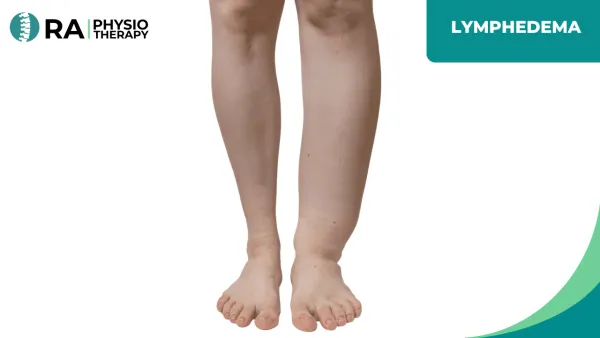
Lymphedema
Lymphedema Treatment & Physiotherapy for Swelling ManagementLymphedema is a condition caused by the buildup of lymphatic fluid in the body’s tissues, leading to swelling, usually in the arms or legs. It occurs when the lymphatic system is damaged or blocked and is unable to drain fluid properly. Lymphedema may develop after surgery, cancer treatment, radiation therapy, infections, trauma, or lymph node removal. The condition can cause swelling, heaviness, discomfort, stiffness, and difficulty performing daily activities. Physiotherapy and lymphedema rehabilitation help reduce swelling, improve circulation, maintain mobility, and improve overall quality of life.
Lymphedema is a condition caused by the buildup of lymphatic fluid in the body’s tissues, leading to swelling, usually in the arms or legs. It occurs when the lymphatic system is damaged or blocked and is unable to drain fluid properly. Lymphedema may develop after surgery, cancer treatment, radiation therapy, infections, trauma, or lymph node removal. The condition can cause swelling, heaviness, discomfort, stiffness, and difficulty performing daily activities. Physiotherapy and lymphedema rehabilitation help reduce swelling, improve circulation, maintain mobility, and improve overall quality of life.
Common symptoms include:
- Swelling in the arms or legs
- Feeling of heaviness or tightness
- Reduced joint mobility
- Skin tightness or discomfort
- Pain or aching sensations
- Difficulty wearing clothes or jewelry
- Fatigue in the affected limb
- Recurrent skin infections
- Hardening or thickening of the skin in advanced stages
Lymphedema may occur due to:
- Lymph node removal surgery
- Cancer treatments such as radiation therapy
- Infections affecting lymphatic vessels
- Trauma or injury
- Congenital lymphatic system disorders
- Chronic venous insufficiency
- Obesity
- Post-surgical complications
Diagnosis includes physical examination and assessment of swelling, circulation, and lymphatic function. Tests may include:
- Limb measurement assessment
- Physical examination
- Ultrasound imaging
- Lymphoscintigraphy
- MRI scan
- CT scan
- Functional mobility evaluation
Physiotherapy rehabilitation helps reduce swelling, improve lymphatic drainage, maintain mobility, and prevent complications. Manual Lymphatic Drainage (MLD) Specialized gentle massage techniques help stimulate lymph flow and reduce fluid buildup in the affected area. Compression Therapy Compression bandaging or garments may help improve fluid drainage and reduce swelling.
Customized exercises help improve circulation, muscle pumping action, flexibility, and limb mobility.
- Gentle limb strengthening exercises
- Postural strengthening exercises
- Functional movement exercises
- Low-impact conditioning exercises
- Range of motion exercises
- Flexibility training
- Joint mobility exercises
- Muscle stretching exercises
Patients are educated about skin care, swelling precautions, hygiene, and infection prevention strategies.
Functional activity training helps improve daily movement, endurance, and overall limb function.
Deep breathing exercises and circulation training may help support lymphatic drainage and improve relaxation.
- Experienced lymphedema physiotherapists
- Personalized rehabilitation programs
- One-on-one physiotherapy sessions
- Advanced lymphatic drainage techniques
- Focus on swelling reduction and mobility improvement
- Evidence-based rehabilitation care
- Guidance for home care and long-term management
If you are experiencing swelling, heaviness, or discomfort due to lymphedema, our physiotherapy team can help improve your mobility and quality of life safely and effectively. Book your physiotherapy consultation today for expert lymphedema treatment and personalized rehabilitation care.
 Emergency No. : +91 93104 16308