


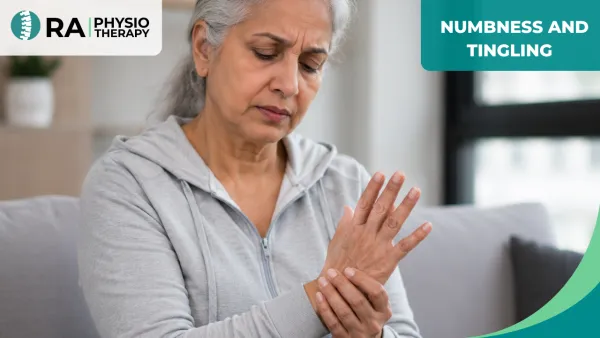
Numbness And Tingling
Effective Physiotherapy Care for Numbness, Tingling, and Nerve CompressionNumbness and tingling are abnormal sensations often described as \"pins and needles,\" burning, reduced sensation, or loss of feeling in a particular part of the body.
Numbness and tingling are abnormal sensations often described as \"pins and needles,\" burning, reduced sensation, or loss of feeling in a particular part of the body. These sensations commonly affect the hands, fingers, arms, legs, feet, or toes and may occur temporarily or persist for longer periods.
Numbness and tingling usually develop when nerves are compressed, irritated, or damaged. Sitting or sleeping in one position for too long may cause temporary symptoms, while persistent numbness and tingling may be related to nerve compression, spinal problems, diabetes, poor circulation, or neurological conditions. These symptoms can interfere with daily activities such as walking, gripping objects, typing, or maintaining balance. Early diagnosis and physiotherapy treatment can help reduce symptoms and improve nerve function.
Numbness and tingling can occur due to several neurological, musculoskeletal, and circulatory conditions. Common causes include:
- Nerve compression or irritation
- Cervical spondylosis
- Sciatica
- Herniated disc
- Carpal Tunnel Syndrome
- Poor posture
- Prolonged sitting or pressure on nerves
- Diabetes-related nerve damage
- Vitamin deficiencies
- Poor blood circulation
- Repetitive strain injuries
- Peripheral neuropathy
- Stroke or neurological disorders
- Muscle tightness affecting nerves
- Sports or traumatic injuries
Temporary numbness may occur after sitting cross-legged or sleeping in awkward positions, but recurring symptoms should be evaluated professionally.
Risk Factors
- Poor posture habits
- Sedentary lifestyle
- Diabetes
- Repetitive hand or wrist movements
- Obesity
- Neck and back problems
- Vitamin B12 deficiency
- Smoking
- Poor circulation
- Prolonged computer or desk work
- Previous nerve injuries
Prevention Tips
- Maintain Proper Posture: Correct sitting and standing posture reduces pressure on nerves and spinal structures.
- Stay Physically Active: Regular movement improves circulation and nerve health.
- Avoid Prolonged Pressure On Nerves: Change positions frequently during work or rest.
- Stretch Regularly: Stretching exercises help reduce muscle tightness and nerve compression.
- Manage Blood Sugar Levels: Proper diabetes management helps prevent nerve damage.
- Follow Ergonomic Practices: Proper workstation setup reduces stress on the neck, shoulders, wrists, and back.
Physiotherapy plays an important role in reducing nerve compression, improving mobility, restoring muscle function, and relieving numbness and tingling sensations. A physiotherapist evaluates posture, spinal alignment, muscle strength, flexibility, and nerve involvement before designing a customized treatment plan.
Physiotherapy treatments may include:
- Nerve Mobilization Exercises: Helps improve nerve movement and reduce nerve irritation.
- Posture Correction: Improves body mechanics and reduces stress on nerves and the spine.
- Stretching Exercises: Helps relieve muscle tightness contributing to nerve compression.
- Strengthening Exercises: Improves muscle support around the neck, back, and affected areas.
- Manual Therapy: Hands-on techniques improve joint mobility and reduce pressure on nerves.
- Electrotherapy: TENS and Interferential Therapy may help reduce pain and nerve irritation.
- Spinal Mobilization: Improves spinal movement and reduces nerve compression.
- Ergonomic Advice: Helps improve workplace posture and daily movement habits.
The goal of physiotherapy is to relieve nerve pressure, restore sensation, improve movement, and prevent recurring symptoms.
Consult a healthcare professional or physiotherapist if:
- Numbness or tingling persists for several days
- Symptoms become frequent or worsening
- Weakness develops in the arms or legs
- Difficulty walking or balancing occurs
- Symptoms interfere with daily activities
- Severe neck or back pain is present
- Loss of coordination develops
- Symptoms occur after injury or trauma
Early treatment can help prevent long-term nerve damage and improve recovery outcomes.
 Emergency No. : +91 93104 16308